
A Weekend in New Orleans by Train:
There’s a timeless romance to train travel—the gentle sway of the cars, the slow unfurling of the landscape, the way time stretches just enough to let the journey become part of the experience.
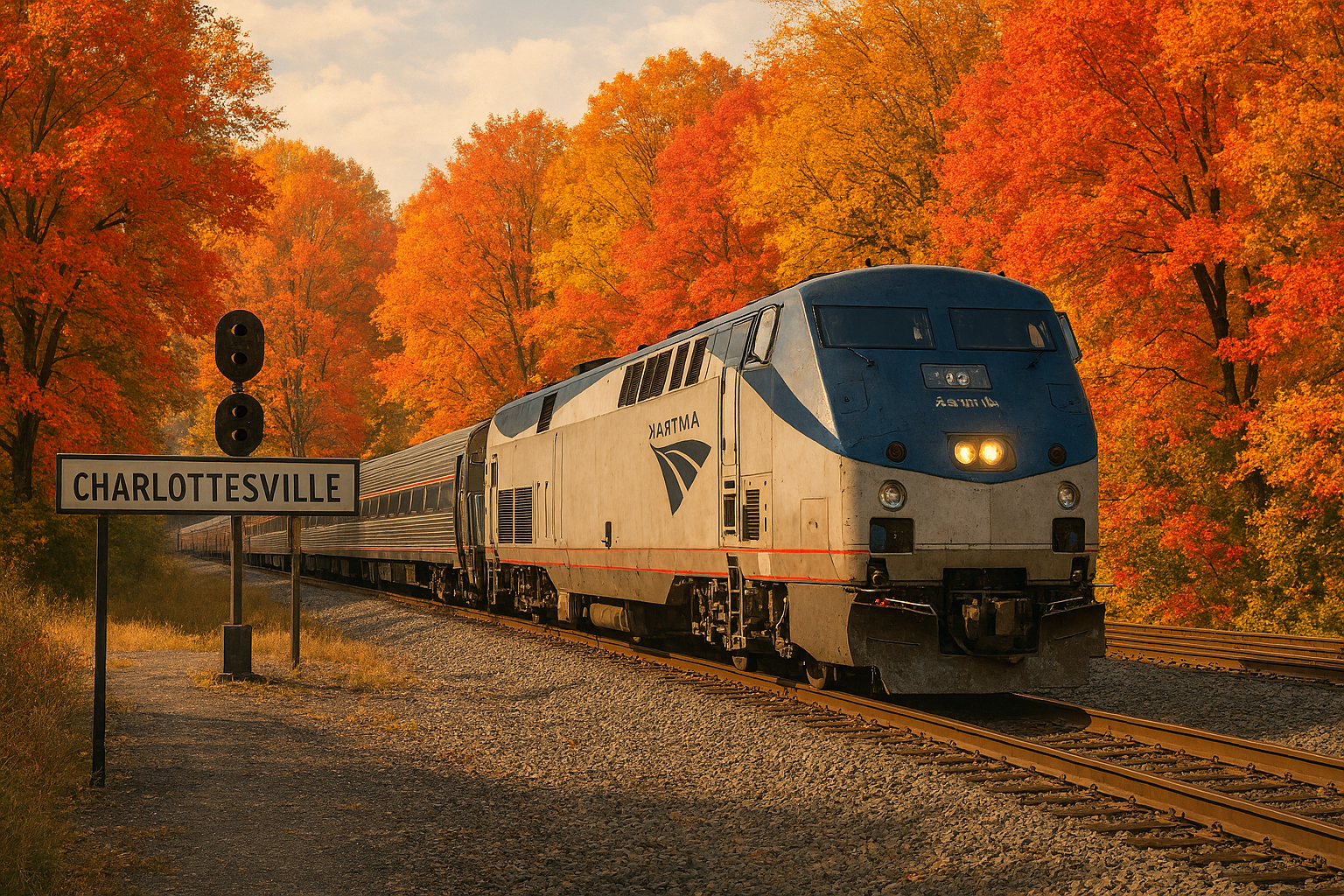
Departing from Atlanta, we set out our adventure on board Amtrak’s Crescent Line, bound for New Orleans. From rolling into Union Passenger Terminal to a whirlwind tour of the city’s best eats and hidden gems, this trip was a seamless blend of Rails, Rooms, and Really Good Food—the three essentials of any great journey.
Riding the Rails: The Amtrak Crescent Line Experience

Our adventure began at Atlanta’s Peachtree Station, a historic yet unassuming stop along the Crescent Line. Built in 1918, its Italianate architecture, with arched windows and intricate detailing, hints at a grander past. Today, it remains one of the smallest Amtrak stations in the South—functional but without the full-service amenities of a major hub. There’s no dedicated lounge, though sleeper car passengers have a small waiting area in the station’s newer section. Parking is limited, but the station’s location between Midtown and Buckhead makes it a convenient departure point for those catching the train bound for New Orleans.
Once aboard, train travel proved to be the antithesis of air travel—no security lines, fewer baggage fees, just a smooth, unhurried ride where the journey itself is part of the allure.
In conversation with a fellow traveler, we learned about Amtrak’s BidUp system, an option that allows passengers to bid for an upgrade to a premium class, often at a fraction of the retail price. Eligible passengers receive a notification within four days of departure, offering a chance to place a bid on an upgrade. Amtrak provides a suggested range—from weak to strong—but ultimately, passengers decide how much they’re willing to spend. For longer routes like this one, where added comfort makes a difference, BidUp can be an excellent way to elevate the journey without stretching the budget.
The Crescent Line, which runs from New York to New Orleans, offers coach seating and sleeper car accommodations, along with WiFi, a lounge and a café car. But for a truly immersive experience, sleeper cars are where the magic happens.

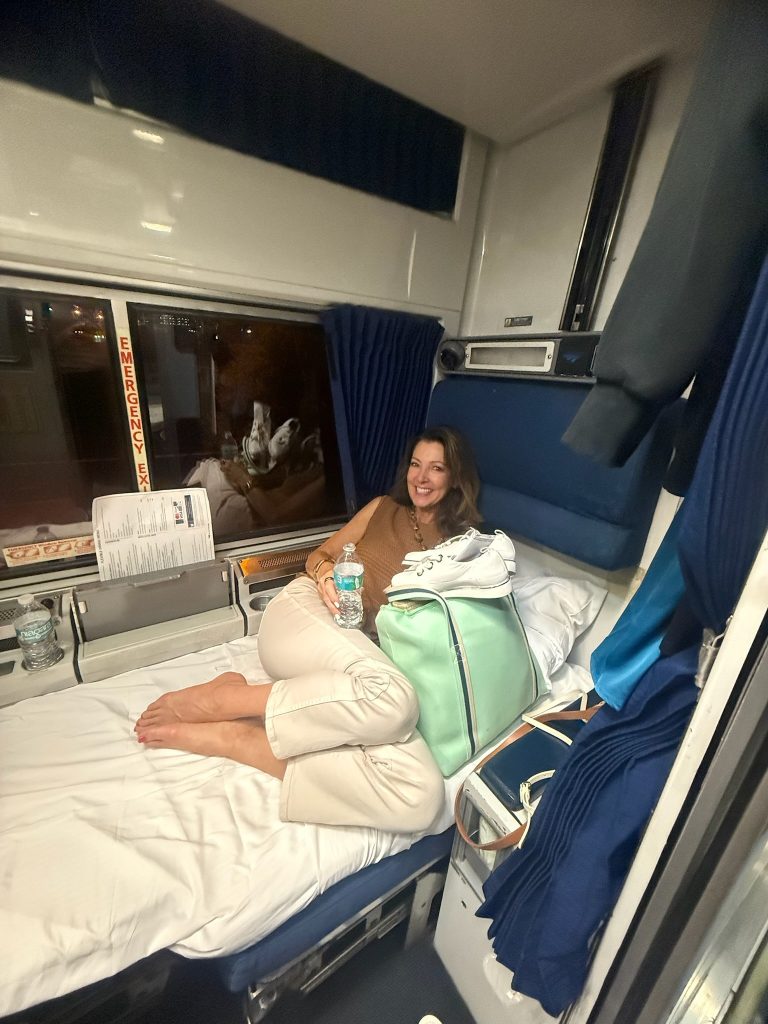
We opted for a Roomette, a private, thoughtfully designed space for two. A sliding door and curtains ensure privacy, while reclining seats convert seamlessly into a bed. Above, a second bunk slides down from the ceiling, ready for nighttime. Convenient amenities—bottled water, power outlets, adjustable lighting, a fold-out table, and space to store and hang clothes—make the space functional, while fresh towels, pillows, and blankets enhance the sense of comfort.
We also noticed that some sleeper cars have been newly updated, featuring modern wood-paneled walls and refreshed upholstery. The result is a blend of nostalgia and efficient design, where the romance of classic train travel meets a more refined, updated aesthetic.
Though compact, the Roomette comes with amenities that elevate the experience: climate control, a sink, and a private toilet. A self-serve coffee station in the hallway ensures easy access to caffeine, while private showers and restrooms at the end of the car provide added convenience.
Dining on the Crescent Line

Shortly after departing the station, a dining attendant arrived at our cabin, menu in hand, to review the day’s menu. In Amtrak’s sleeper cars, meals and drinks are included, with the choice to dine in the dining car or enjoy a private meal in the comfort of one’s room. Breakfast presented three options: a continental spread, bourbon apple crêpes, or a three-cheese omelet. After a quick scan of the menu, we placed our orders and secured a table in the dining car, eager to experience the communal charm of train travel’s golden-age tradition.
A journey by train is as much about the experience as the destination, and nowhere is that more evident than in the art deco-style dining car. Here, white linen tablecloths and fresh flowers lend a touch of elegance to the morning meal. We tried the cheese omelets, accompanied by orange juice and coffee—a simple yet satisfying breakfast as the scenery unfolded beyond the windows.
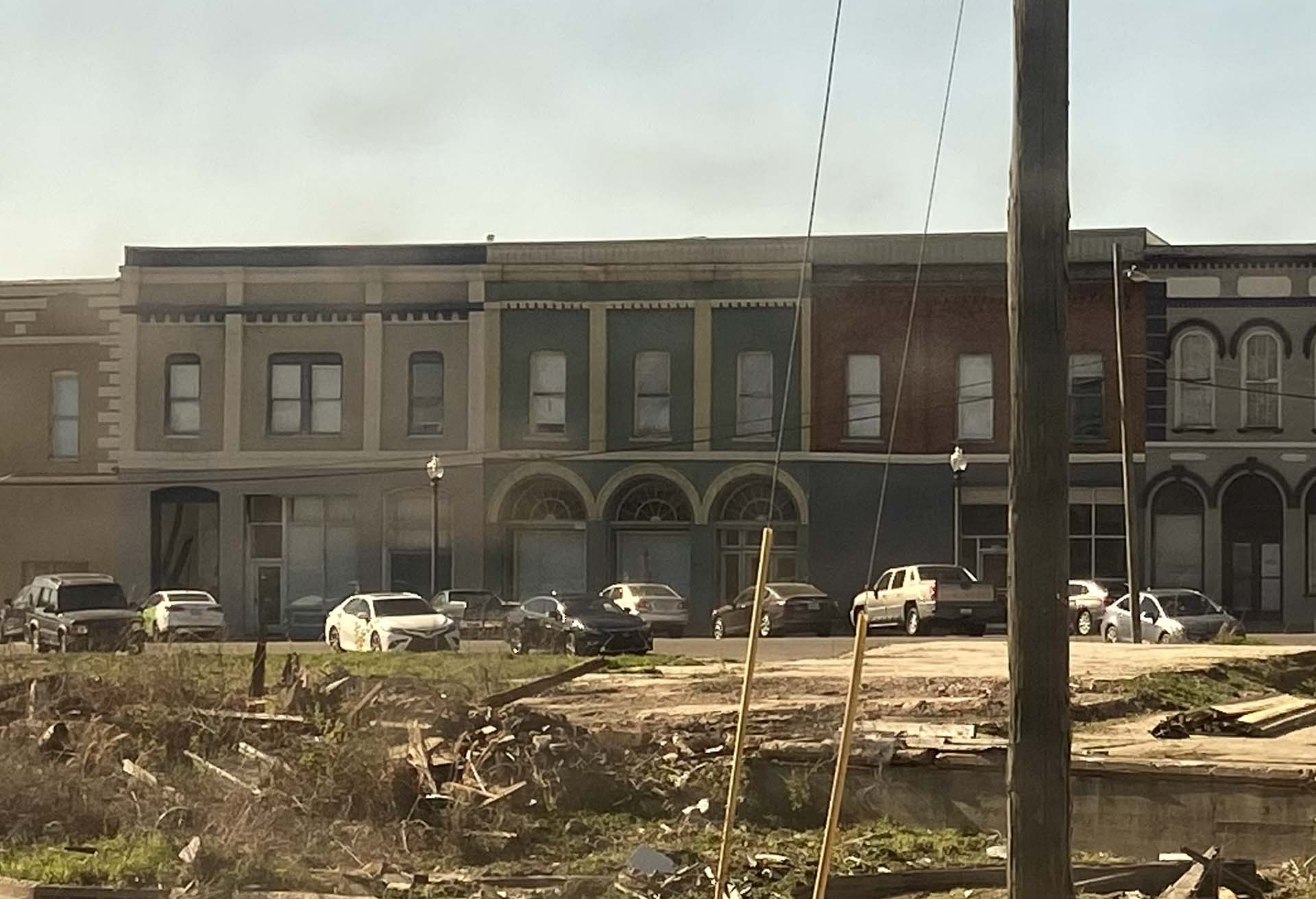
Back in our cabin, we settled into the steady rhythm of the journey. The train carried us through a landscape that felt like a forgotten chapter of American history. Through the wide picture windows, small towns and abandoned buildings flickered past—remnants of a bygone era. Empty factories and weathered storefronts stood as quiet markers of past prosperity. Yet amid the industrial ruins were glimpses of revitalization: a newly restored depot, a street lined with fresh murals, and a small business breathing life into an old main street. It was Americana in its rawest form—unvarnished, unfiltered, and ever-evolving.
Graffiti-adorned walls flashed by, and momentary bursts of color and commentary decorated the muted tones of neglected spaces. These fleeting images, seen only from the vantage point of the train, felt like an unfiltered expression of the cities we passed through—a reminder that art emerges wherever people find a way to create it.
As we neared Birmingham, the train slowed, signaling one of the rare stops long enough for passengers to disembark. Grateful for the chance to stretch our legs, we stepped onto the platform, inhaling the crisp afternoon air before taking a quick stroll around the block.
By midday, lunchtime beckoned, and we opted for a more casual meal from the café car, a hub of activity where passengers filtered in and out, seeking anything from a quick snack to a hearty meal. The menu offered a mix of grab-and-go options: burgers, sandwiches, hot dogs, salads, and pastries. We went with a burger and a club sandwich, which we enjoyed back in the comfort of the dining car as the train continued its journey toward New Orleans.

The afternoon unfolded at an unhurried pace. We watched as the landscape began to shift once more. The rolling hills gave way to vast stretches of low-lying marshes, the waterways multiplying as we approached the Gulf region. In the golden light of late afternoon, the swamplands shimmered, a quiet prelude to the final stretch of our journey.

As the train rolled into the evening hours, dinner was served in the dining car, where passengers—some seasoned rail travelers, others experiencing long-distance train travel for the first time—gathered to share stories of their journeys. We dined on Asian BBQ Glazed Salmon and Pan Asian Meatballs, a plant-based take on a classic dish. Other offerings included Beef Paprikash, Butter Chicken, and Chicken Alfredo, each plated with care despite the constraints of an onboard kitchen. Dinner service came with dessert and a complimentary glass of wine or beer, a quiet luxury as the train pressed onward.
Under the soft glow of moonlight, the journey entered its final stretch. Crossing the vast expanse of Lake Pontchartrain, we glided over the longest rail bridge in the United States, a nearly 23-mile span that signaled New Orleans was near. The water below shimmered in silvery ripples, reflecting the night sky, while the city’s skyline slowly took shape on the horizon. In the distance, the neon lights of Bourbon Street pulsed faintly, a beacon of the energy waiting just beyond the tracks.
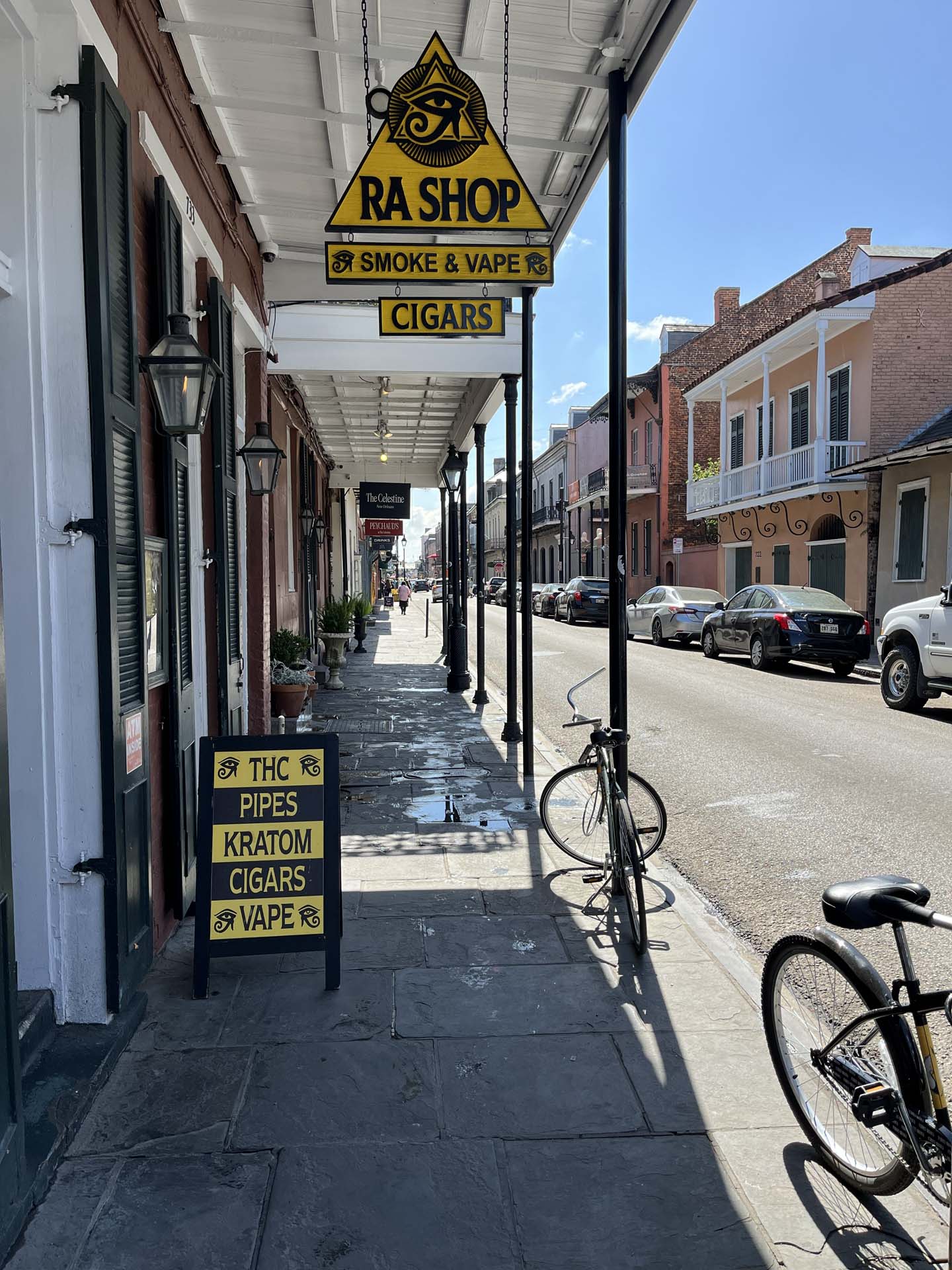
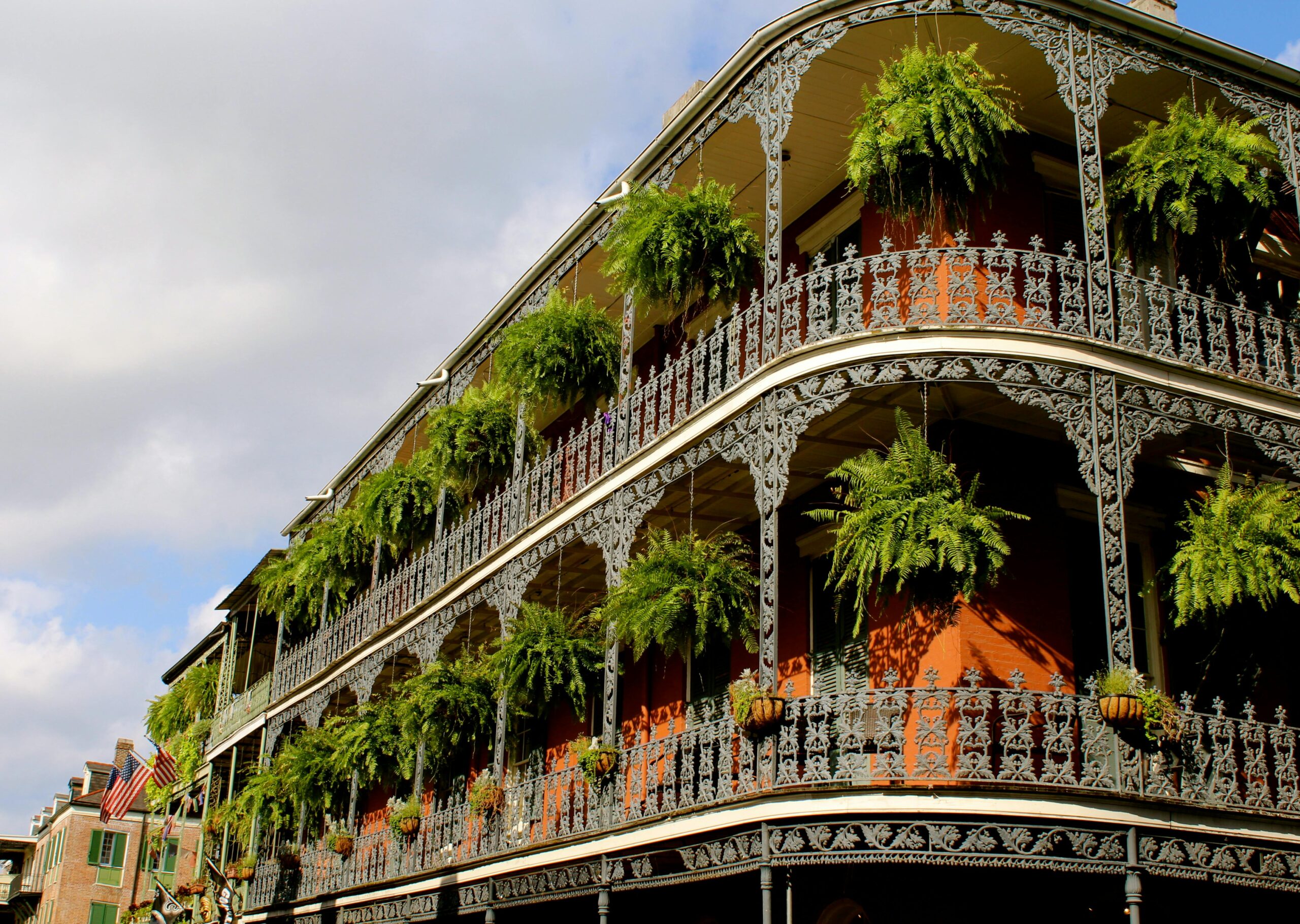
At 9 p.m., the Crescent eased into Union Passenger Terminal, where the platform signaled the journey’s end. Stepping onto the pavement, we hailed a taxi for the short ride to our hotel. As we neared the French Quarter, the city announced itself in sensory detail—the wail of a saxophone from a nearby street corner, the scent of Creole spices drifting through the air, the warm glow of gas lanterns lining historic streets. New Orleans, in all its vibrant, unapologetic splendor, was waiting.
Where to Stay: International House Hotel

The International House Hotel, located in the Central Business District, seamlessly blends history with modern luxury. Housed in a 1906 Beaux-Arts building that once served as a bank and later the world’s first World Trade Center, it became the city’s first boutique hotel in 1998.
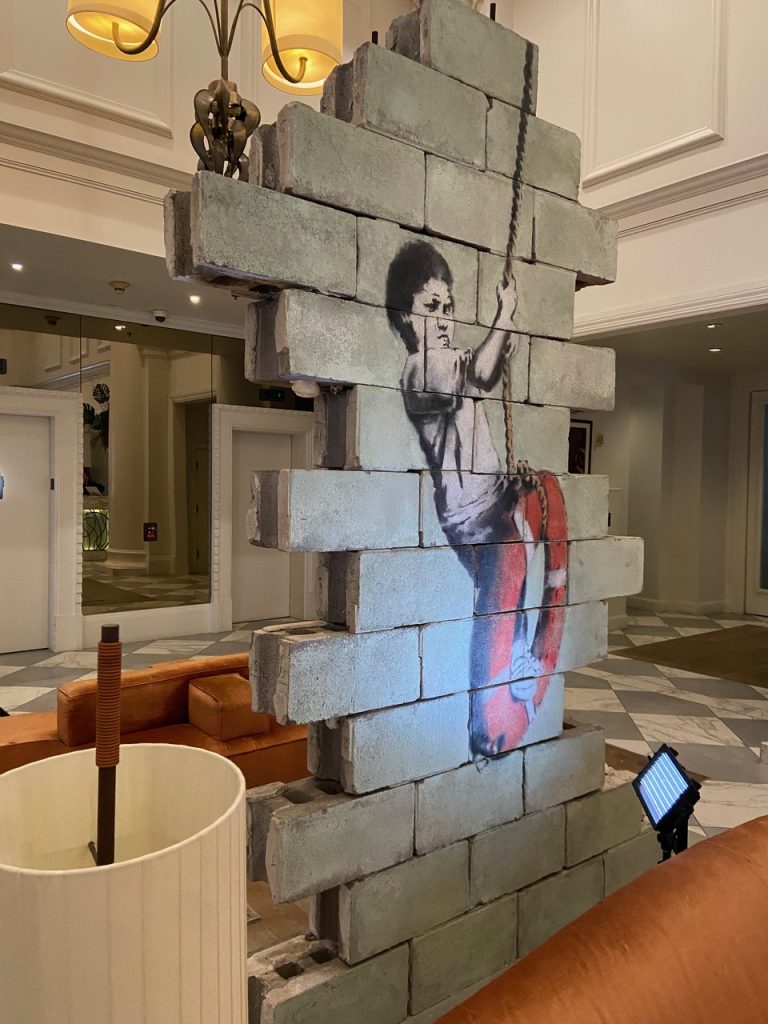
The hotel’s lobby is a study in contrasts—at once elegant and unconventional. A striking Lenten altar greets guests upon arrival, a nod to the city’s spiritual traditions, while in the back, a large-scale Banksy piece disrupts the refined space with its bold, subversive energy. To the left, the dimly lit Loa Bar offers an intimate retreat, where flickering candlelight and thoughtfully crafted cocktails set the mood. Throughout the lobby, soft lighting and chandeliers cast a warm glow, striking a balance between old-world grandeur and contemporary edge.
“Forbes magazine calls Banksy the ‘global graffiti superstar,’” the hotel’s website notes—a fitting description for the artist whose work challenges conventions while commanding international acclaim.
With its rich history, curated design, and prime location just steps from the French Quarter, International House Hotel is more than just a place to stay—it’s an experience that captures the essence of New Orleans.
Day 1: Savoring New Orleans
Morning: Beignets & The French Quarter
A pleasant surprise awaited us at the front desk—complimentary bikes, an unexpected perk that quickly became essential to our weekend. New Orleans is a city best explored at street level, where the rhythm of daily life plays out in real-time, and these bikes offered the perfect way to move effortlessly through it all.
Naturally, we began with a pilgrimage to Café du Monde. Yes, it’s a tourist magnet, but some rituals are worth embracing. Established in 1862, this iconic open-air coffee shop has been serving New Orleans for over a century, and its menu remains refreshingly simple. The beignets were crispy, airy, and piled high with powdered sugar—just as they have been for generations. Paired with café au lait, its chicory bite adding just the right depth, the experience was pure, simple pleasure. Unlike so many high-traffic spots, Café du Monde serves on real dishware, a small but thoughtful touch that elevates the moment. Tip: It’s cash-only, so plan accordingly.

With sugar-dusted fingers and coffee fueling our adventure, we took a walk through Jackson Square, where artists propped their canvases along the iron gates, and street musicians filled the air with the sound of brass and blues. Stopping at St. Louis Cathedral, we took a moment to admire it—this is the oldest continuously active Roman Catholic cathedral in the United States, a quiet sentinel in the ever-moving heart of the Quarter. Finally, a stroll along the Moonwalk Riverfront Park provided a stunning panorama of the Mississippi.
Back on our bikes, we detoured through the French Market, a vibrant mix of history and commerce that has served as a gathering place for over 200 years. Beneath its open-air stalls, we browsed everything from local spices to handcrafted jewelry.
Brunch in the Marigny District

For brunch, we ventured into the Marigny district, a neighborhood we immediately loved for its balance of proximity and escape—close enough to the main attractions yet removed enough to feel calm and refreshingly local. The energy shifted here; pastel-colored shotgun houses lined the streets, and the hum of Bourbon Street faded into something more soulful and intimate.
Our destination, Paladar 511, was a true find. Housed in a former hosiery factory built in 1895, the restaurant embraced its industrial roots with high ceilings, exposed air ducts, and an artsy, effortlessly sophisticated vibe.
The menu was just as impressive as the setting—seasonal, locally sourced, and full of personality. We indulged in the lump crab Benedict on crisp fried cornbread, a dish that was both delicate and indulgent. Brenda’s huevos rancheros featured perfectly cooked eggs, fresh avocado, all tied together with cotija, cilantro, and crema that made the dish instantly memorable. This spot captured everything we love about dining in New Orleans—bold, flavorful, and unique.
A Taste of Tradition: Exploring New Orleans’ Culinary Icons
New Orleans’ culinary landscape is rich with history and flavor, exemplified by establishments like Galatoire’s and Mr. B’s Bistro, each offering a unique glimpse into the city’s gastronomic heritage.
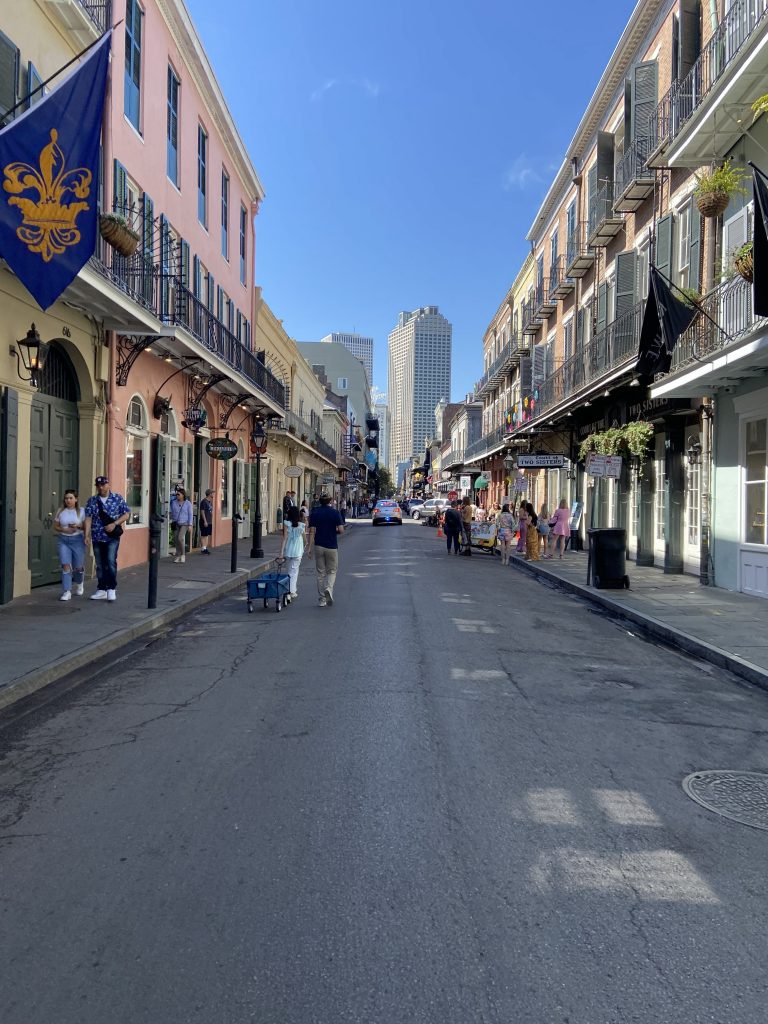
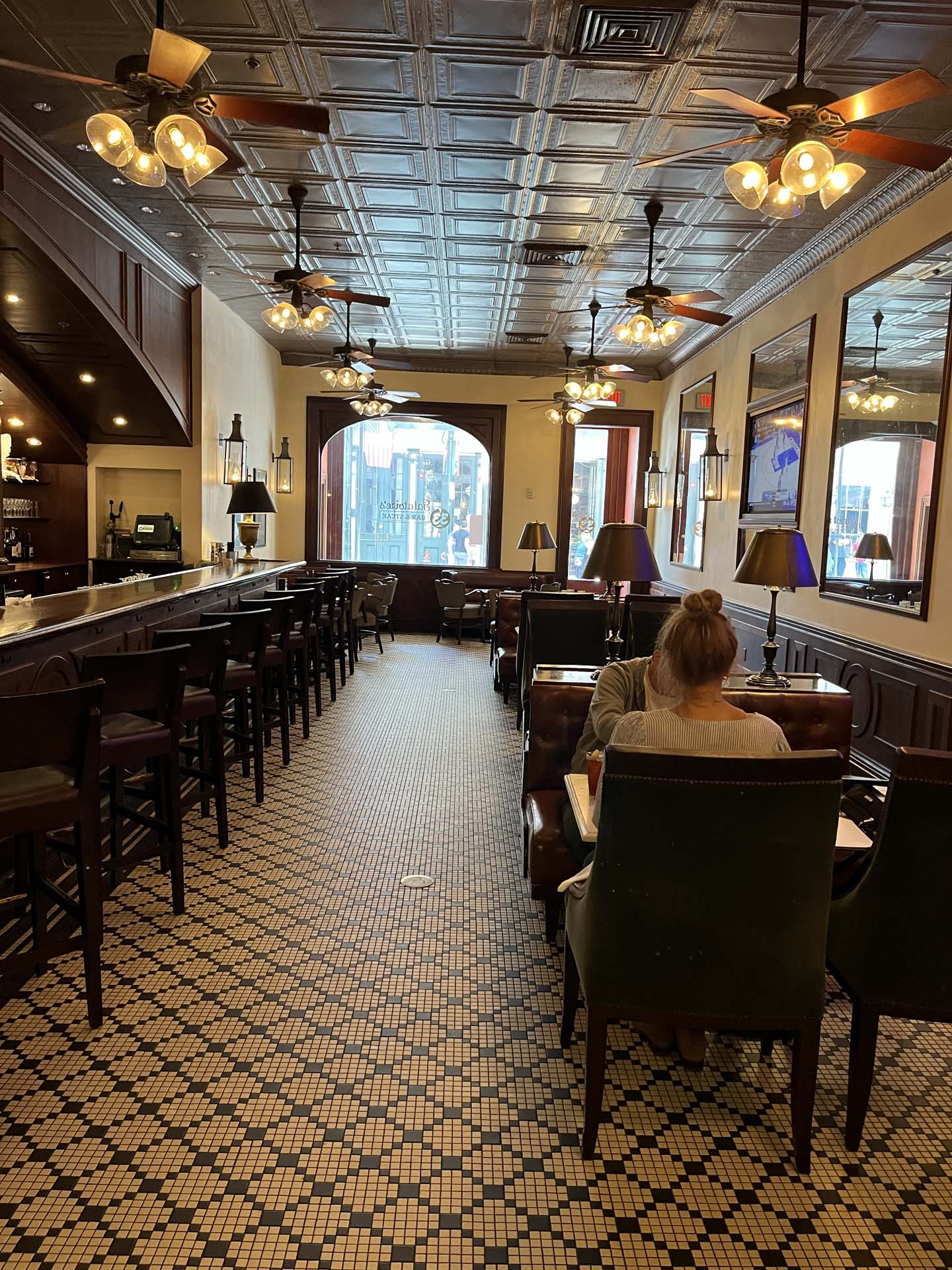
Founded in 1905 by Jean Galatoire, Galatoire’s has been a cornerstone of French Creole dining for over a century. Located at 209 Bourbon Street, the restaurant’s bright, lively dining room, adorned with white linen tablecloths, exudes old-world elegance. The menu features classic dishes such as Turtle Soup au Sherry—a rich, savory soup made from snapping turtle meat, finished with a splash of sherry—and Crab Sardou, which combines Louisiana jumbo lump crab meat with creamed spinach, artichoke hearts, and hollandaise sauce. These offerings have cemented Galatoire’s reputation as a destination for both locals and visitors seeking an authentic taste of New Orleans.
Just a short stroll away at 201 Royal Street, Mr. B’s Bistro has been serving authentic Creole cuisine since 1979. Known for its warm, wood-paneled interior and bustling open kitchen, the bistro offers a welcoming atmosphere that complements its flavorful dishes. A standout on the menu is the signature Barbecued Shrimp—Gulf shrimp cooked in their shells with a peppery butter sauce, accompanied by French bread for dipping. Another highlight is the Gumbo Ya Ya, a rich, country-style gumbo featuring chicken and Andouille sausage. These dishes showcase Mr. B’s commitment to using fresh, local ingredients to create memorable dining experiences.
Both restaurants not only offer exceptional cuisine but also embody the spirit of New Orleans through their dedication to tradition, hospitality, and community.
Discovering The Peacock Room
In a city celebrated for its vibrant culinary and cocktail scenes, the Peacock Room at the Kimpton Hotel Fontenot emerges as a distinctive gem in New Orleans’ Central Business District. True to its name, the lounge captivates with peacock-blue walls adorned with eclectic furnishings, creating an ambiance that balances airy elegance with moody sophistication.
The space is thoughtfully divided: one side, illuminated by skylights, offers a bright, inviting bar with a breezy bistro-like ambiance; the other presents a darker, more intimate lounge with a sultry, moody appeal.

Though we arrived during brunch hours, our craving leaned towards an afternoon snack. The accommodating chef graciously prepared a stunning charcuterie board—a harmonious assembly of cured meats, artisanal cheeses, and accompaniments that paired exquisitely with our cocktails.
The cocktail menu showcases inventive creations. The Jade Dragon—a blend of gin, coriander, mint, jalapeño, pineapple, and lime—offered an unexpected fusion of savory and refreshing notes. The espresso martini struck a perfect balance of richness and caffeine, serving as an ideal mid-afternoon indulgence.
Every detail, from the thoughtfully designed lighting to the artful presentation of drinks, contributes to the Peacock Room’s allure. It’s a place where the spirit of New Orleans is both celebrated and reimagined, offering guests a memorable experience that lingers well beyond the last sip.
A Toast to Glamour
Our night began in the Polo Lounge, a refined retreat on the second floor of the Windsor Court Hotel. With its dark wood-paneled walls, deep leather chairs, and jazz drifting softly through the air, the space exuded the warmth of an upscale living room—equal parts inviting and sophisticated. A three-tiered tray of nibbles—pork rinds, green olives, and toasted nuts—arrived alongside our cocktails, setting the stage for an evening steeped in old-school glamour. It was the kind of place where conversation slowed, where the clink of glassware and the low murmur of voices carried the weight of ease, not urgency—a perfect prelude to the night ahead.
An Evening at August

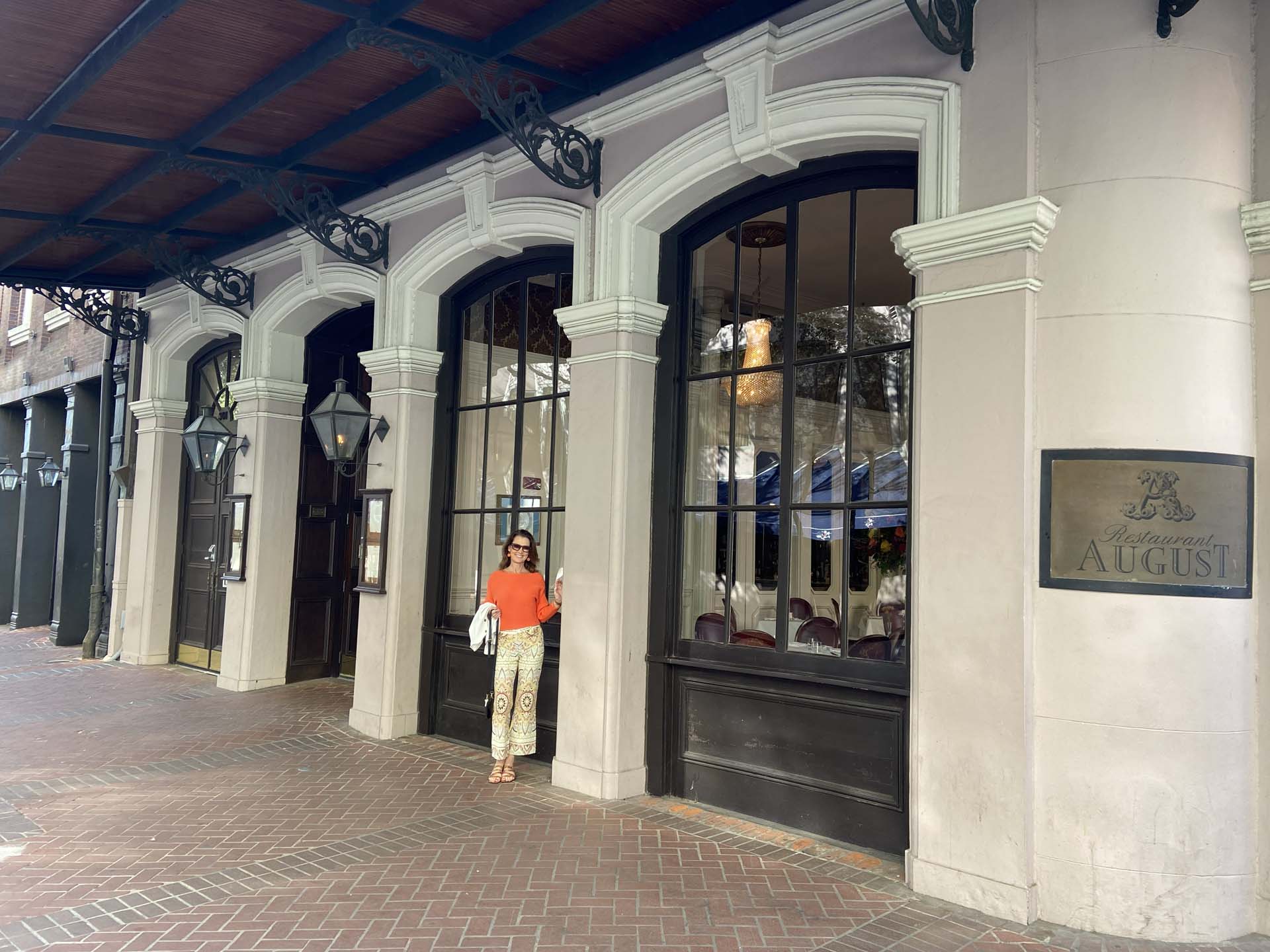
Dinner at Restaurant August was nothing short of extraordinary. Housed in a 19th-century warehouse that once stored tobacco and coffee, the restaurant embraces its storied past while delivering an experience that feels both intimate and grand. The dining room—dimly lit and dressed in candlesticks, exposed brick, soaring mahogany beams, and crisp white tablecloths—radiated a quiet elegance. It was the kind of space where every detail seemed to matter, from the flicker of candlelight to the hushed cadence of well-trained servers.
From the moment we were seated, the service was choreographed with precision and grace—each table assigned a duo of attendants who moved in tandem, anticipating needs before they were spoken. Our meal began with a surprise amuse-bouche: a hollowed eggshell delicately filled with corn mousse, layered and silky, a subtle yet dazzling prelude.
While the Chef’s Tasting Menu tempted with a parade of artistry—cobia crudo with Louisiana strawberries, spoonbread crowned with caviar and Rodolphe Le Meunier butter, grilled A5 wagyu strip and crépinette—we opted to build our own feast from the seafood selections. The blackened grouper arrived nestled among sunchokes, Gulf oysters, and fresno peppers, its flaky tenderness wrapped in warmth and spice. The snapper Pontchartrain, lush with shrimp, crab, wild mushrooms, and a velvety béarnaise, struck a richer chord. A side of cornbread with whipped butter grounded the meal, a comforting nod to Southern tradition—humble, warm, and impossibly good.
From start to finish, the evening was a masterclass in hospitality and culinary excellence. In New Orleans, dining is never just about food—it’s a story, a performance, an expression. And at August, that expression was pitch-perfect.
A Parade Finds Us
Serendipity struck as we turned a corner and found ourselves swept into the 53rd Annual Italian-American St. Joseph’s Day Parade—a joyous eruption of color and sound we hadn’t planned for but instantly embraced. Floats rolled past draped in green, red, and white, tossing beads and trinkets into the eager hands of onlookers. Brass bands marched proudly behind them, their music ricocheting off the historic buildings, while dancers twirled in sequined sashes and gold medallions. It was equal parts spectacle and neighborhood block party, the kind of celebration that seems to appear out of thin air in New Orleans. We didn’t need an invitation—just being there was enough. And in that moment, as confetti settled on our shoulders and laughter spilled into the streets, it was clear: in this city, joy is always in season, and the unexpected is part of the plan.

New Orleans, At a Glance

We ended our night at Observatory Eleven, the sleek rooftop bar on the 11th floor of the Westin Hotel. The ascent in the glass elevator offered a brief but thrilling glimpse of the city lights, and stepping into the bar felt like entering a modern-day observatory—floor-to-ceiling windows wrapping the circular space, offering panoramic views of the French Quarter and the Mississippi River.
The lounge was abuzz with energy: a live jazz quartet played near the bar, their melodies weaving through the chatter of patrons. The bar itself, a glowing centerpiece, was surrounded by guests enjoying the curated cocktail menu. Brenda indulged in a rich chocolate concoction, a perfect nightcap. As we sipped our drinks, the city’s lights stretched out before us, a shimmering tapestry that reminded us of New Orleans’ endless capacity to enchant.
Day 2: A Short but Sweet Farewell
Morning came too quickly. With a 9 a.m. train to catch, we had just enough time for one final taste of the city. On the recommendation of Christopher, the affable front desk attendant at our hotel, we ducked around the corner to Café Beignet—a local favorite with old-world charm and the scent of sugar trailing out the door. We lingered over our last sips of chicory coffee, its warm, bitter comfort grounding us in the moment. Outside, the city was beginning to stir—street cleaners passed with practiced rhythm, delivery trucks clattered along the curbs, and the promise of fresh beignets hung in the air. There were still so many corners left to explore, but like all good stories, this one had to end somewhere. And this felt right.

Final Thoughts
New Orleans is a city that reveals itself in layers—a place where grandeur and grit coexist, where history isn’t just preserved but performed daily. It’s a city of slow meals, hidden courtyards, and spontaneous parades. And arriving by train let us experience all of it in rhythm—with the landscape, with each other, and with the dream of a train travel renaissance.